
Thursday, May 1, 2014
Georgia Outdoors - Invaders Episode
See article here: http://www.gpb.org/news/2014/04/25/invasive-species-burmese-pythons-may-be-slithering-up-to-a-backyard-near-you

Tuesday, April 29, 2014
Thursday, April 24, 2014
Tuesday, April 22, 2014
Video: Invasive Pests on Moving Firewood
A series of eye-grabbing, slightly eerie videos starring Vin Vasive, the anti-hero of USDA’s Hungry Pests program. Vin is made up entirely of invasive pests, and he reveals—in a maniacal way—how he gets around in the things people move and pack. Then USDA provides the voice of reason and explains how to defeat Vin and “Leave Hungry Pests Behind.”
Thursday, April 17, 2014
Spread the message, not the pests
They’re here, and
they’re hungry! Invasive species, that is. These Hungry Pests feast on and
infest America’s agriculture, damage our parks and forests, wreck our gardens,
and throw our ecosystem off balance. Since they don’t always have natural
predators, their numbers can become overwhelming if left unchecked. In fact,
the economic impact of invasive species has been estimated to exceed $1 billion
annually in the United States due to lost revenue and clean up costs.
What can you do to
help leave Hungry Pests behind? Prevent their introduction in the first place.
Here are some easy steps:
·
Buy local, burn local. Since pests and larvae can hide and ride long
distances in firewood, buy firewood where you burn it.
·
Plant carefully. Buy garden plants from a reputable source and avoid using invasive
plant species at all costs.
·
Do not bring or mail fresh fruits, vegetables or plants into your state
or another state unless agricultural inspectors have cleared them beforehand.
·
Cooperate with
any agricultural quarantine restrictions and allow authorized agricultural
workers access to your property for pest or disease surveys.
·
Keep it clean. Wash outdoor gear and tires between fishing, hunting or camping trips.
Clean lawn furniture and other outdoor items when moving from one home to
another.
·
Learn to identify. If you see signs of an invasive pest or disease,
write down or take a picture of what you see and then report it at www.HungryPests.com.
·
Speak up.
Declare all agricultural items to customs officials when returning from
international travel. Call USDA to find out what’s allowed: (301) 851-2046 for
plants, (301) 851-3300 for animals. Go to http://www.aphis.usda.gov/travel/ to learn more.
Talk to friends and
neighbors about hungry pests. And for more information, visit www.HungryPests.com.
Tuesday, April 15, 2014
Help USDA Stop Invaders that Could Devastate U.S. Crops and Forests
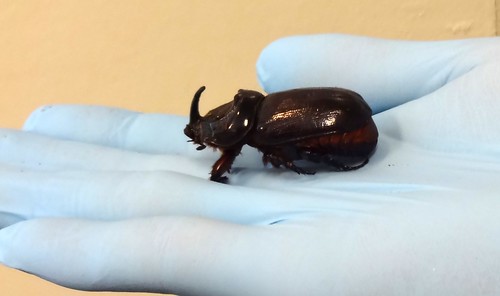
How did it get here? And how can we prevent the spread of damaging, invasive species like this unwanted, oversized beetle? These are great questions to consider as USDA kicks off Invasive Plant Pest and Disease Awareness Month. Throughout April, we’re raising public awareness about the threat of invasive species and informing people how to prevent their spread—so we’ll face fewer surprises like the CRB.
We haven’t determined exactly how this beetle snuck into Hawaii, but we have some good ideas. It probably hitchhiked on containers, or with plants and plant material moving in cargo or passenger baggage. From there, it could have spread on its own, or it could have kept on hitchhiking, in plants, plant material and debris, mulch, soil, or hidden on pallets. People can unknowingly spread invasive pests across states, countries, continents, and oceans.
That’s why USDA created its Hungry Pests outreach program, to empower the public with the knowledge of how to Leave Hungry Pests Behind. Invasive Plant Pest and Disease Awareness Month is the perfect time to visit HungryPests.com, which has a wealth of visually compelling information on invasive species. Use the site’s interactive maps to learn which pests are in your state and which ones threaten it. Meet some destructive invaders, such as the giant African snail, Asian longhorned beetle, and citrus greening disease. Most importantly, learn the Seven Ways to Leave Hungry Pests Behind so you don’t accidentally spread destructive pests like the CRB.
The stakes are extremely high. Each year, invasive pests cost our economy billions of dollars by damaging crops, killing trees, requiring costly response efforts, and closing foreign markets to U.S. products from infested areas. USDA and its partners work very hard to keep invasive pests out of the country and combat those that sneak in, but we can’t do it alone—we need your help. So this month, be on the lookout for videos, articles and social media buzz on invasive species and how to stop their spread. Start by visiting HungryPests.com, and join the conversation on the Hungry Pests Facebook Page.
In the meantime, in Hawaii, USDA and state officials are hanging traps to determine the size of the CRB-infested area, removing mulch piles that CRBs use as breeding sites, and informing the public how to spot and report the CRB. If only someone had left that Hungry Pest behind.
- See more at: http://blogs.usda.gov/2014/04/03/help-usda-stop-invaders-that-could-devastate-u-s-crops-and-forests/#sthash.e5EgatgX.dpuf
Subscribe to:
Posts (Atom)